Rubbish collection Kentish Town Road Camden what to expect
Posted on 17/07/2026
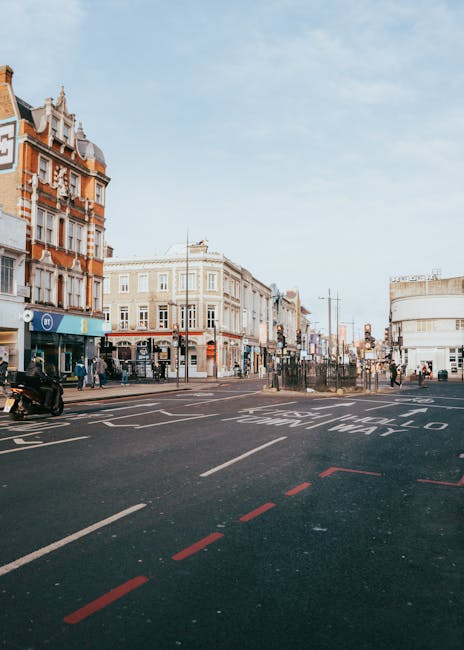
If you are planning rubbish collection on Kentish Town Road in Camden, you probably want the same three things everyone else does: a simple booking, a clean and punctual collection, and no awkward surprises on the day. That is fair enough. This part of NW5 and nearby Camden streets can be busy, tight for parking, and a little unforgiving if you have not thought through access or the type of waste you are shifting.
This guide explains rubbish collection Kentish Town Road Camden what to expect in plain English. We will cover how the service usually works, what affects timing and price, which mistakes slow things down, and how to make the process smoother whether you are clearing a flat, a shop, a loft, or a pile of mixed household waste. A few sensible checks up front can save a lot of hassle later. To be honest, they often do.
Why Rubbish collection Kentish Town Road Camden what to expect Matters
Kentish Town Road sits in one of those London corridors where a small logistics issue can become a big one. There is traffic, loading restrictions, pedestrians, buses, bikes, delivery vans, and the occasional double-parked vehicle making everyone else wait. So when people search for rubbish collection in this area, they are usually not just looking for someone to take a sofa away. They want a service that fits the street, the building, and the day.
That is why understanding what to expect matters. If you know how the collection is likely to happen, you can prepare the waste properly, protect communal areas, and avoid delays. It also helps you compare providers sensibly. One company may sound cheaper, but if they are not set up for quick access or safe handling, the saving can disappear fast.
There is another reason too: waste should be handled responsibly. Mixed rubbish, bulky items, appliances, and builder's waste all need different treatment. A proper collection should not feel vague. It should feel organised, tidy, and traceable. That is the standard to look for, even if the job itself is small.
For readers who want a broader view of the service landscape, the services overview can help you see how rubbish collection sits alongside clearance and disposal options. If you are dealing with a flat, a shop, or a shared building, the right service shape matters more than people think.
Expert summary: On busy Camden streets, the best rubbish collection is rarely the one that simply arrives. It is the one that arrives prepared, works quickly, keeps access clear, and leaves the site tidy without creating extra stress.
How Rubbish collection Kentish Town Road Camden what to expect Works
Most rubbish collection jobs follow a fairly predictable flow, even if every property is a little different. The collection usually begins with a quick description of the waste: household bags, furniture, white goods, builders' rubble, office clutter, garden waste, or a mix of these. From there, the provider assesses volume, weight, access, and whether specialist handling is needed.
On a road like Kentish Town Road, access is often the real issue. A first-floor flat with a narrow stairwell and no lift will be handled very differently from a ground-floor shop with rear access. The crew may need to park as close as possible, walk waste through common areas, and work around neighbours, customers, or passers-by. It is not glamorous. It is just the reality of London waste collection.
In many cases, the process looks like this:
- You describe the waste and the location.
- You receive a price estimate or quote.
- A time slot is agreed, often with an arrival window.
- The team arrives, checks the load, and confirms the work.
- The waste is removed, sorted where possible, and the area is swept or tidied.
- You receive confirmation or paperwork if required.
That last point is worth slowing down for. Good operators do not just "take it away". They should be able to explain what happens next, particularly if the load includes recyclable materials, furniture, or electrical items. If a company is vague on this, that is a small red flag. Nothing dramatic, just a nudge to ask more questions.
If your waste is mainly domestic, it may be useful to compare this with a broader domestic waste collection Camden service. For more mixed or larger loads, a general waste disposal Camden option can be the better fit.
What usually happens on the day
On collection day, expect some practical checks. The team may ask where the waste is stacked, whether there is lift access, and whether any items need to be dismantled. If parking is awkward, they may need a few extra minutes to position the vehicle. That is normal. What you should not expect is endless waiting without communication.
Most customers are pleasantly surprised by how fast a well-prepared collection can be. A room full of boxes and a couple of bulky chairs can disappear in no time if everything is organised. The messy part is usually the sorting beforehand, not the lifting.
Key Benefits and Practical Advantages
People book rubbish collection for convenience, yes, but the best results usually deliver more than that. A good collection can reduce stress, free up space, and stop waste from lingering in hallways or back gardens for days. On a busy road, that matters. A lot.
- Fast clearance: Useful when you need a flat, shop, or office cleared before a move, handover, or delivery.
- Less physical strain: Heavy items like wardrobes, desks, or appliances can be removed safely by trained teams.
- Better space use: Once clutter is gone, rooms feel larger and easier to clean or redecorate.
- Cleaner shared areas: In blocks of flats, quick removal helps protect entrances, stairwells, and communal spaces.
- Improved sorting and recycling: The right team can separate material types rather than sending everything to one bin.
There is also a quiet but important benefit: peace of mind. You do not have to guess whether a bulky item will fit in your car, or whether you will manage three trips in and out. You make one arrangement and the lot goes. Sometimes the simplest fix is the best one.
For customers looking at different types of waste work, it may help to review related services such as house clearance Camden or office clearance Camden when the job is bigger than a standard collection. If it is mainly furniture, the dedicated furniture removal Camden and furniture disposal Camden pages are worth a look.
Who This Is For and When It Makes Sense
Rubbish collection on Kentish Town Road is not only for big clear-outs. In fact, many of the most common jobs are fairly ordinary. A tenant moving out. A landlord preparing a property. A shop replacing display fixtures. Someone finally getting rid of an old mattress that has lived in the spare room far too long. We have all seen that kind of thing.
This service makes sense if you have:
- Bulky items that will not fit in a normal car
- Mixed waste from a declutter, move, or refurb
- Construction or DIY leftovers
- Old appliances that need careful disposal
- Furniture that is too heavy or awkward to carry yourself
- A business or office generating regular or one-off waste
It is also a good fit if timing matters. Perhaps you need the space cleared before tenants arrive, before a repair visit, or before a trade delivery. In those cases, a same-day or short-notice collection can be more useful than waiting for a council slot or trying to do it yourself over the weekend.
If you are based in a commercial unit or small workspace, consider whether commercial waste removal Camden is the better route. Businesses often need a more regular, documented service than private households do.
Step-by-Step Guidance
If you want the smoothest possible collection, a little preparation goes a long way. The good news is you do not need to overthink it. Just work through the basics carefully.
- List what needs removing. Be specific. "General rubbish" is less helpful than "8 black bags, a broken desk, 2 chairs, and a small fridge."
- Check access. Think about stairs, lifts, entrance codes, parking, loading space, and any time restrictions.
- Separate special items. Appliances, electricals, hazardous waste, and construction debris often need different handling.
- Ask for an estimate. A clear quote should reflect volume, weight, and labour. If it sounds vague, ask what is included.
- Prepare the area. Move items closer to the exit if you can, but do not strain yourself. Safety first.
- Confirm the arrival window. Busy London streets can throw timing off, so a realistic slot is better than an unrealistic promise.
- Let the team do the lifting. That is what you are paying for, after all.
- Check the final result. Make sure the agreed waste has gone and the area is left tidy.
A small but useful tip: if the waste is spread between a hallway, a basement, and a rear yard, make a simple note or take a quick photo before the crew arrives. It sounds obvious, but on a busy day, memory gets fuzzy. Happens to everyone.
Expert Tips for Better Results
After enough collections, a few patterns become obvious. The jobs that go well are not always the smallest ones. They are usually the best prepared ones.
Tip 1: Be honest about the volume. Underestimating the amount of rubbish is one of the easiest ways to create a pricing issue. If you are unsure, describe the pile in a little more detail or send photos if that is part of the booking process.
Tip 2: Mention awkward items early. Anything unusually heavy, sharp, dirty, wet, or fragile should be flagged. A broken wardrobe with loose panels is not the same as a bag of clothes, obviously.
Tip 3: Think about neighbours and foot traffic. On Kentish Town Road, a quick, tidy collection is better for everyone. If your waste is outside, make sure it is not blocking entrances or shared walkways.
Tip 4: Ask what happens to recyclable items. You do not need a lecture, just a straight answer. Many people care about this, and rightly so.
Tip 5: Keep documents and payment details ready. This is particularly useful for businesses, landlords, and managing agents who need a tidy paper trail.
For those who want to align waste decisions with recycling-minded habits, the recycling and sustainability page is a sensible read. It gives a clearer picture of how waste choices can support lower-impact disposal. Not perfect, because nothing is, but better than guessing.
Common Mistakes to Avoid
Most rubbish collection problems are preventable. The issues are rarely dramatic; they are usually the sort that cause delays, extra charges, or a mildly frustrating conversation at the front door.
- Leaving access until the last minute: Parking and loading on busy roads can be tricky. Plan ahead.
- Mixing restricted items with general waste: Appliances, paints, and certain renovation materials may need special handling.
- Guessing the load size: If you are unsure, say so. Guessing often leads to a mismatch between quote and reality.
- Not checking building rules: Some blocks have collection windows, lift rules, or porter arrangements.
- Forgetting to clear the route: Loose rugs, low lighting, and cluttered hallways can slow things down and create risk.
- Choosing only on price: The cheapest option is not always the best once access, timing, and safety are factored in.
One small real-world example: a customer might book a "quick sofa removal" and only later mention it needs to come down four flights of stairs with a sharp turn at each landing. That is not impossible, but it is a different job. Better to say it early, even if it feels a bit awkward.
Tools, Resources and Recommendations
You do not need a truckload of tools to prepare for rubbish collection. A few basic items and a bit of organisation usually do the job.
- Strong bin bags or rubble sacks: Useful for loose mixed waste or lighter debris.
- Tape and labels: Handy if you want to mark items that should stay, go, or be dismantled.
- Gloves and sturdy footwear: Sensible for anyone moving waste around before the collection.
- Measuring tape: Especially useful for furniture, appliances, and tight stairwells.
- Mobile photos: A simple way to document the waste before booking.
It can also help to look at the collection type itself. For example, builder-heavy loads are often better suited to builders waste disposal Camden, while bulky household items may be easier to handle through waste clearance Camden. For appliance-heavy jobs, especially fridges, washing machines, or cookers, see white goods and appliance disposal Camden.
If your pile includes garden cuttings, soil-filled bags, or a broken shed bench, then garden waste removal Camden is the more suitable route. It sounds obvious, but matching the waste type to the right service often makes the whole process cleaner and quicker.
Law, Compliance, Standards, or Best Practice
Waste removal in the UK sits within a framework of legal and practical responsibilities. You do not need to memorise legislation to book a collection, but you should expect a provider to handle waste responsibly and to operate as a legitimate carrier. That includes appropriate handling, lawful transport, and sensible disposal routes.
In plain terms, best practice means the company should be clear about what it collects, how it loads it, and where it goes next. You should also expect them to avoid unsafe lifting, dirty fly-tipping habits, or casual dumping. If a provider cannot explain the basics of compliance in straightforward language, that is not ideal.
For reassurance, some customers like to review waste carrier licence and compliance before booking. Others want to understand the operator better through the about us page, or check practical details on insurance and safety. All reasonable checks, honestly.
Payment and data handling matter too. If you are sharing access details, booking information, or card details, it helps to know the provider takes security seriously. You can read more on payment and security and the site's privacy policy.
Options, Methods, or Comparison Table
People often compare three main approaches: booking a collection, using a dedicated clearance service, or dealing with waste themselves. Each has its place. The best choice depends on volume, access, and how much time you want to spend on it.
| Option | Best for | Pros | Watch out for |
|---|---|---|---|
| Rubbish collection | Small to medium mixed loads, bulky items, quick clear-outs | Fast, convenient, minimal lifting for you | Access, parking, and accurate volume estimates |
| House or office clearance | Whole rooms, properties, or larger one-off clearances | Good for bigger jobs, often more structured | May be more than you need for a small pile |
| DIY disposal | Very small amounts and easy-to-transport waste | Can feel cheaper at first | Time, vehicle access, multiple trips, manual handling, and disposal hassle |
For some properties, particularly after a move or refurbishment, the more appropriate solution is a fuller clearance. That is where loft clearance Camden or furniture disposal Camden can be more practical than a standard one-off collection. The point is not to use the biggest service. The point is to use the right one.
Case Study or Real-World Example
Here is a simple example from the kind of job people on Kentish Town Road often face. A small flat above a shop has accumulated a broken chest of drawers, an old mattress, three bags of mixed clutter, and a couple of boxes of packaging after a move. The hallway is narrow. The stairwell turns sharply on the way down. There is no lift.
What happens next? A sensible provider would ask for photos, confirm the item list, check access, and estimate labour realistically. On the day, the team would likely bring the right lifting equipment, protect the route where needed, and work through the items in a set order so the space is cleared efficiently. The customer does not need to coordinate every movement. They just need to keep the route clear and point to the items.
By contrast, an underprepared booking might lead to confusion. The team arrives expecting bags only, discovers furniture, and has to revise the price or arrange a second visit. Nobody enjoys that. The customer feels caught out, the crew loses time, and the whole job becomes more complicated than it should have been.
The lesson is simple: accurate description beats optimism. Every time.
Practical Checklist
Use this checklist before your rubbish collection in Kentish Town Road Camden:
- List every item that needs removing
- Check whether anything is heavy, sharp, wet, or fragile
- Measure bulky furniture and appliances if needed
- Confirm access details: stairs, lift, codes, parking, loading space
- Check building rules or time restrictions
- Separate items that may need specialist handling
- Clear a route to the waste if you can do so safely
- Keep the area dry and well lit where possible
- Have payment and booking details ready
- Ask how recyclable materials are handled
Quick takeaway: if you prepare the waste, the access, and the job description properly, the collection itself usually feels surprisingly easy. A bit of planning, that is all.
Conclusion
So, what should you expect from rubbish collection Kentish Town Road Camden? In short: a practical service that works best when the waste type, access, and timing are clear from the start. On a busy Camden road, the smooth jobs are the ones that are planned properly, handled safely, and finished without fuss.
If you are clearing a home, a shop, or a shared building, the real value is not just removal. It is the relief of getting the space back without spending your whole afternoon wrestling bags, lifts, and back stairs. That part matters more than people admit. Truth be told, it is often the nicest part.
For anyone weighing up a collection against a bigger clearance or a more specialised service, take a moment to compare the options carefully. The right choice will usually be the one that fits your access, your waste type, and your timeline, not just the one that sounds quickest in the moment.
Get a free quote today and see how much you can save.

 Tipper Van - Rubbish Clearance and Waste Disposal Prices in Camden, NW1
 Luton Van - Rubbish Clearance and Waste Disposal Prices in Camden, NW1